A Leap of Faith: A Conversation with Bivek
Since Chowk is showcasing the immigrant story, let's start with how it started for you. When did you first come to the US?
I was working as a physiotherapist in the midwestern region of Nepal, and like almost all of our friends from that time period, I applied to go to the USA in 2008 to study and learn more --but also to experience life in a different context.
What were your first impressions? Did anything stick out to you the most?
My first impressions were that Nepalese people were already in the US in droves, and it gave me a feeling that I wasn’t there alone--even if I didn't have an immediate circle of family or friends right away. As with many Nepali students who arrive in the USA, I ended up in Baltimore to attend a community college. I sort of lost myself in the lights in a good way. It was a great opportunity for me to learn new things in a new place. I started taking classes on anything I found interesting such as Spanish, Yoga, American Government, etc. I really enjoyed my time in the city as I was able to meet many people and make new friends. But, I started looking into a more proper university to study my major Physiotherapy, and through a friend, I found out about Southwestern Oklahoma State University (SWOSU) in Weatherford, Oklahoma in 2013, but I had zero idea about what I was getting into there in terms of community.
What did you think of SWOSU? Was it very different from Baltimore?
At SWOSU, I quickly realized there was a tight knit Nepali community even though there weren’t many there at that point. When you have a tight knit small community, it helps to keep your social life engaging, as you can make more meaningful relationships.
I loved my life at SWOSU. I met wonderful people throughout. I was very fortunate to have an extremely supportive athletic training department that always gave me opportunities and took me under their wings. It was a great learning moment for me to work with the actual athletic training department with divisional teams. But I wanted to get into the more technical side of things.
Were you always interested in sports therapy ? I remember you being very passionate about it. I always enjoyed our conversations.
I have always been extremely passionate about what I do. When I first transferred over to SWOSU, I soon found out that my classes wouldn’t start until a year later. For a moment, I thought of changing my major into more applicable fields for the market like Computer Sciences. But it didn’t feel right for me to stray from what I had set out to do. I had to be true to myself. So, after speaking to my advisor, I took basic prerequisite classes such as sport management and sports medicine until I actually got to my major classes in 2014, to maintain my student status with 12 credits for a semester. This is where I had to really be patient because as you know time is always against international students' side, when it comes to college and the life after.
The more I started getting into my major and reading the text books, I started to realize what was missing back home in Nepal in terms of sports and athletic training. This is where I started to have ideas and how to put it to fruition.
This was also right around the time when Nepal had made it to the T20 Cricket World Cup in 2014 for the first time. I was very motivated to go back home and use my knowledge and take athletics and sports to the next level. I would have conversations with the head of sports management at SWOSU, who I befriended while playing recreational volleyball on campus, about the immense potential for sports and athlete performance back home. He supported my intentions behind it and suggested that I apply for an internship at the newly established Rayo OKC, a second tier soccer league North American Soccer League (NASL) team in Oklahoma City, an hour away from Weatherford.
I couldn’t pass on this opportunity of working with international professionals like Georgios Samaras and Derek Boateng, even if it was all unpaid. I would drive at 6 AM for an hour to Oklahoma City for an internship and come back in the afternoon to work at Walmart in Weatherford to make ends meet.
I didn’t mind doing all this as I loved what I was doing at the Rayo. I felt like this was setting the stage for my ultimate goal of working with professionals back home. But as the season was about to finish for that year for the league, I had to start thinking about my next step to comply with my immigrant status of Optional Practical Training (OPT). But I was hungry for more opportunities.
So how did you handle that?
So, I started emailing the San Francisco Deltas, a newly established NASL team in San Francisco, to inquire about the Assistant Athletic Trainer position. I was confident in my background with Rayo, so I was very dogged in my approach. I was at a moment where I had to figure out my next step, so I put all my chips on the table. I kept emailing them and asking them about what they thought about my resume. On my second phone interview during my lunch break at Walmart, Deltas told me that they were very impressed with my resume, but they were looking for someone who was living in the Bay Area at that moment.
This is where I took a leap of faith and within five minutes of that call, I resigned from Walmart, immediately called my friend who was living in the Bay Area at that time, and asked him if I could move in with him there in a couple of days, and so I did, thanks to him. I resigned from my job at Walmart on Friday, by Monday I was in the Bay Area.
By Tuesday of that February 2017, I knocked on the door at the Deltas office and told them that now I live in the Bay Area and to please consider this position for me. I kept thinking to myself, if I am showing this much commitment to this position, they have to respect it. They would have to respect me for taking this risk.
Of course, things didn't go as smoothly as I had anticipated. Even though they liked me, they had to go through their procedures of interviews which included two more interviews. I was running out of money as I had to wait until May of 2017. This was again another testing moment for me, considering I had to simultaneously think of my career, my immigration compliance status, and getting by, while of course thinking about my wife and family back home.
But it was all worth it in the end, as I finally got hired as an Assistant Athletic Trainer. During my time at Deltas, I was again very fortunate to work with former Major League Soccer (MLS) professionals like Tom Heinemann and Devon Sandoval.
What did you learn from your experience at the Deltas?
I loved working as an Assistant Athletic Trainer to those professionals. I learned state of the art knowledge about athlete performance there, even if it was for a short period of time. During the middle of the season, Deltas looked like the best team in the league, but due to a family emergency, I had to decide to give it all up and move back to Nepal. This was my another leap of faith--to leave this golden opportunity where it seemed like things were looking only up for me.
Deltas eventually ended up winning the NFSL cup that year, but due to poor attendance, the owners decided to fold the team. Out of the staff at Deltas, some of them ended up at LA Galaxy in the Major League Soccer (MLS) the very next season.
Of course, my family wasn’t too happy about me leaving the US altogether, and I do wonder about the “what could’ve beens?” especially during tougher days of my business operations at National Athletics Development Associates (NADA). But in the end, I have accepted the risk that I took, and it has given me whole another perspective in being relentless with my endeavors at NADA.
How are you applying your experience and knowledge at NADA?
As Nepal is getting more into professional leagues in Football and Cricket, at National Athletics Development Associates (NADA), I am hoping to make my intentions come true on a bigger scale. Currently, I work with athletes who come to us for injury rehabilitation and performance enhancement techniques. I have seen the growth in this industry from the inside. We have been able to raise awareness amongst the population, and as a result of that, we’ve turned our facility into a 6000 sq. ft powerhouse where we are able to offer all phases of physical performance enhancements. Amongst NADA’s ventures, we hope to keep offering these services to regular people and athletes but we are eventually also planning to expand into the research and development aspect of it, where we can train the next generation of trainers and therapists.
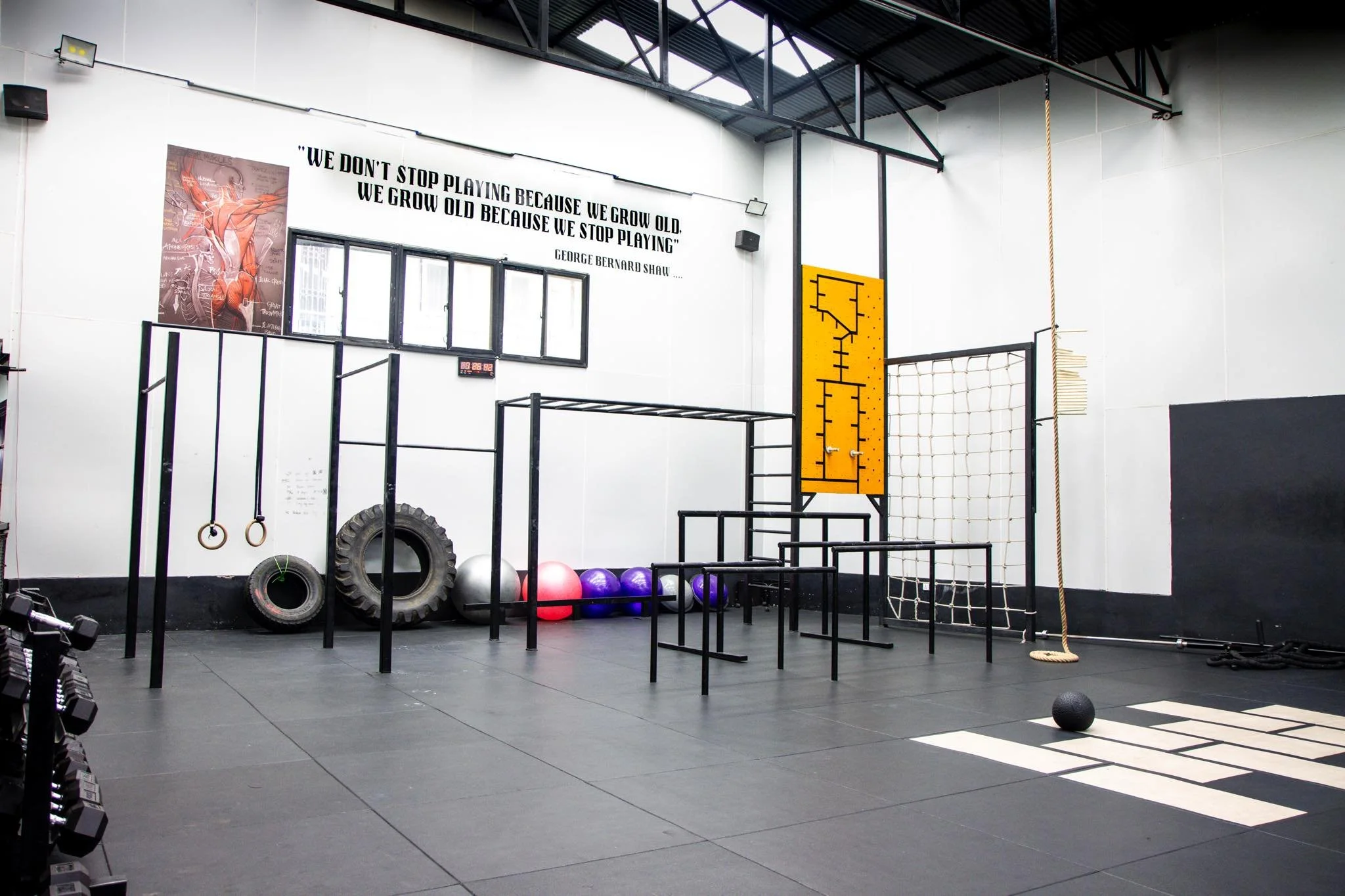
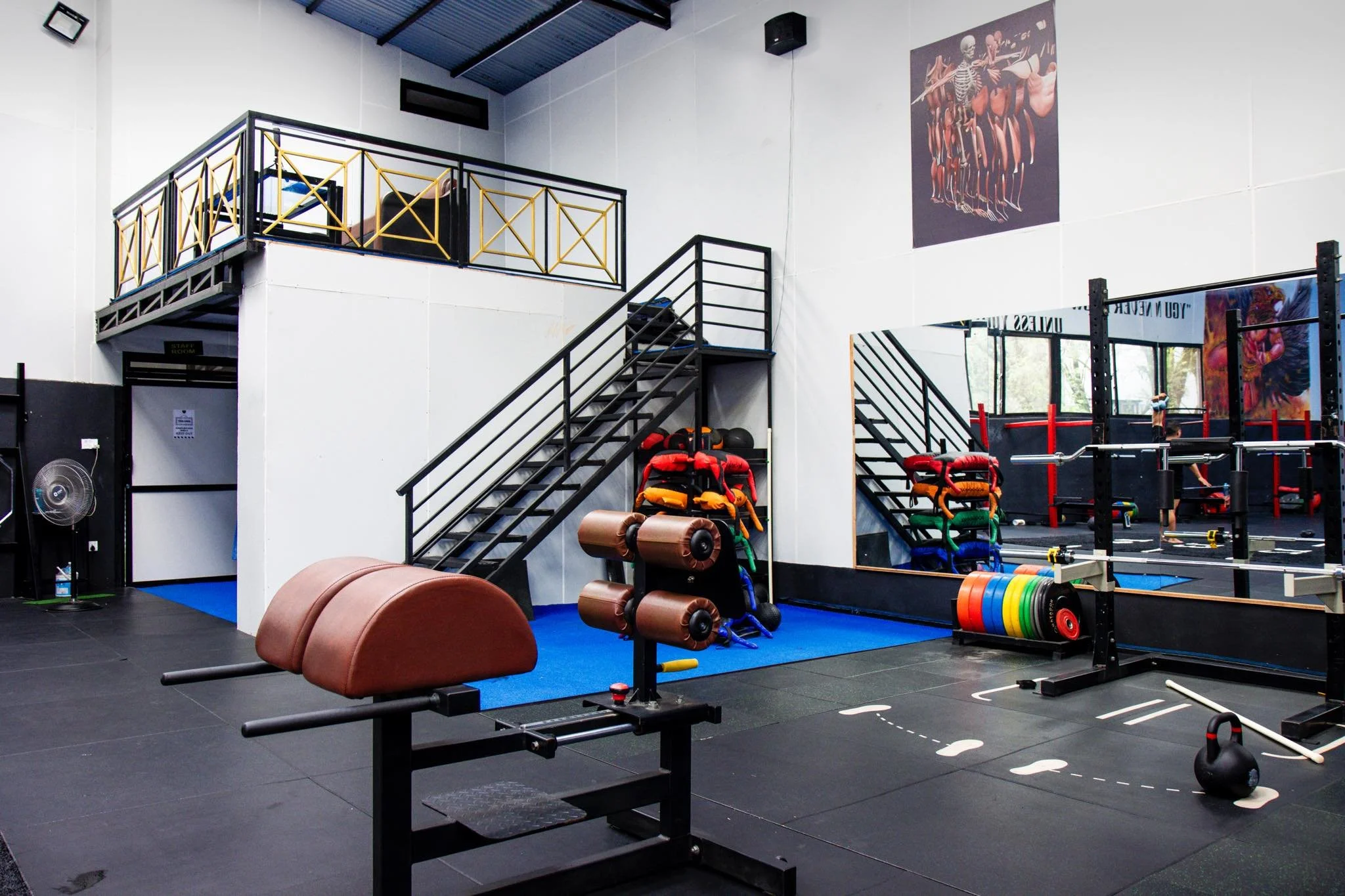
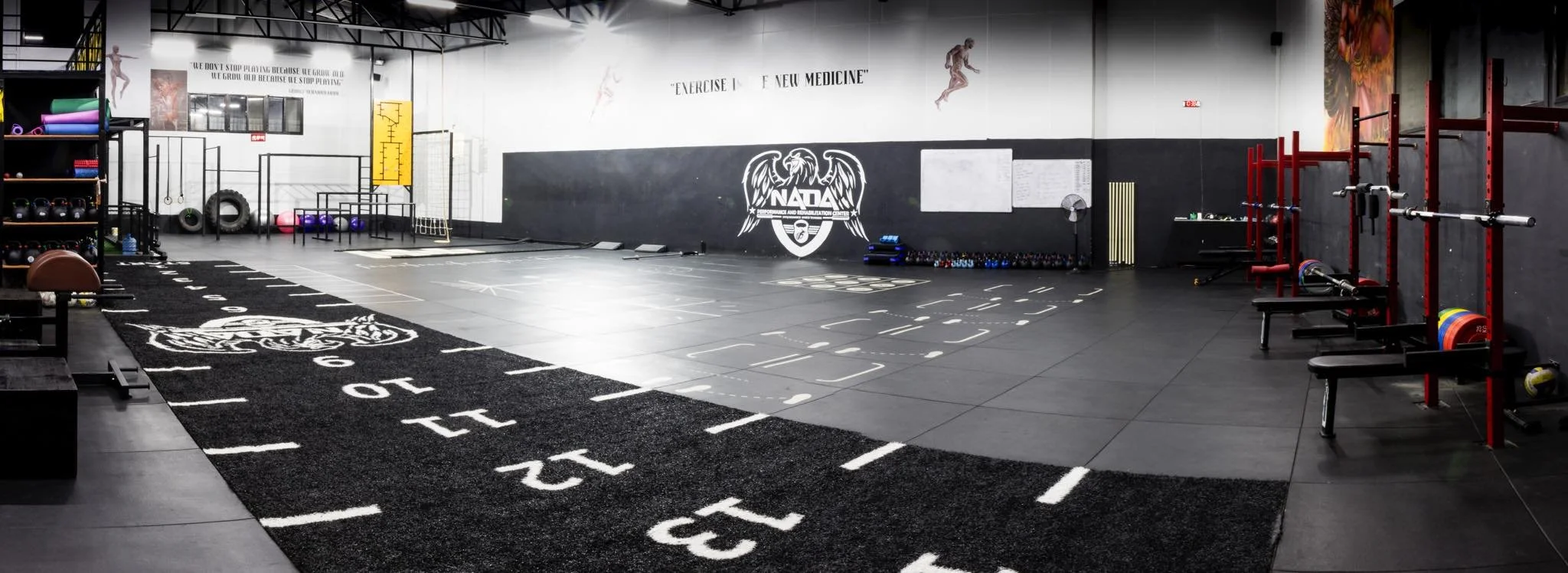
I want NADA to be a place to go for future professionals to be able to compete not only nationally but internationally as well. I believe that injury prevention, treatment and rehabilitation are the keys to improving performance. Historically, a meticulous and science based approach to sports and performance has been lacking in Nepal, and I hope NADA can be the place where this change can occur.
Is fitness and health culture changing in Nepal?
Fitness culture is evolving in Nepal, but new areas of issues are arising as more people are going into desk jobs. They are experiencing shoulder and neck issues, and they are a big portion of my clients now. Interestingly, these happen to be younger people who come with these issues to me.
So, with my knowledge in physical therapy and athletic training, I am utilizing it on injury prevention methods. I help them understand what's causing it and how to strengthen those parts of their bodies to reduce the risks in the future. This is what I learned as an athletic trainer, and I believe the same methods can be applied to other parts of our lives. I am trying to incorporate exercises with injury prevention so that people can stop debilitating physical issues on its tracks before it starts affecting their lives.
Do you think that sports science is getting better in Nepal? Do you see yourself as the one spearheading this, because I do get the impression that you are.
It is definitely getting better, but I still get a sense that most people still view this as just a “gym.” As you know, gym has that taboo behind it, not only in Nepal, but elsewhere too--of it being a mindless activity. But I want to change that mentality here. I want people to realize that there is science involved with it, and physical improvement and preventative methods are very important to everyday living. My mission with NADA is to change the perception around this. I am including all phases of physical therapy into it. From injury prevention, to athletic training to injury rehabilitation. I am fortunate to have national level athletes come to us for our expertise.
I want to keep serving the athletes to be in the best physical condition to perform and I also want to serve the common people in understanding and managing their physical health.
I find your journey different in a sense that your field is very much unlike most of our Nepali diaspora. You are doing something in sports and therapy which I find interesting. What can you tell someone who might be hesitant to try out the untapped fields like yours, at least in Nepal?
In my case, my interest in physiotherapy came naturally to me. Since I was young, I was committed to going into this field as I found sports and the ability of human bodies fascinating. It was still a new concept in Nepal though as sports was not an important part of our culture. Maybe I was just driven to be the one to create and take it to the next level.
I was steadfast on my approach. I had moments in America when I was very close to taking other routes, but I had my intent to stick with what I went there to do. So, I think it comes down to remaining true to yourself. I understand that not everyone can have that luxury of option, so if you gauge and understand that there is some potential in Nepal, it might be worth it to at least give it a try.
How do you juggle kids and family and your work on a daily basis?
Being back in Nepal has made this possible for me. I have a 5 year old and a 2 year old. My wife, who is a travelling nurse, and my parents, have been the support system who have made it possible for me to carry on with operating NADA and working towards my dream. Essentially, my wife is also juggling the kids, her own job, and my business on top of that, if I am to be honest.
Did your immigrant journey give you a different outlook? What would be one thing that changed in you and how you viewed the world and where you went back to?
The biggest thing I learned from my movement from Nepal, to America, to different states within the USA, is perseverance. As you know, as student immigrants, you are not only dealing with the student aspect of it. You are dealing with making money to make ends meet and dealing with keeping your F1 (student visa) status in good standing. There is a very small room for error while having to carry out different tasks all at once. We are thrown into this in a different land, so it's like learning to walk again in a sense. But I learned to take punches and march on. I kept following my guts and went for it at each step. And I try to apply these lessons to my business ventures, my family life and daily life in general.
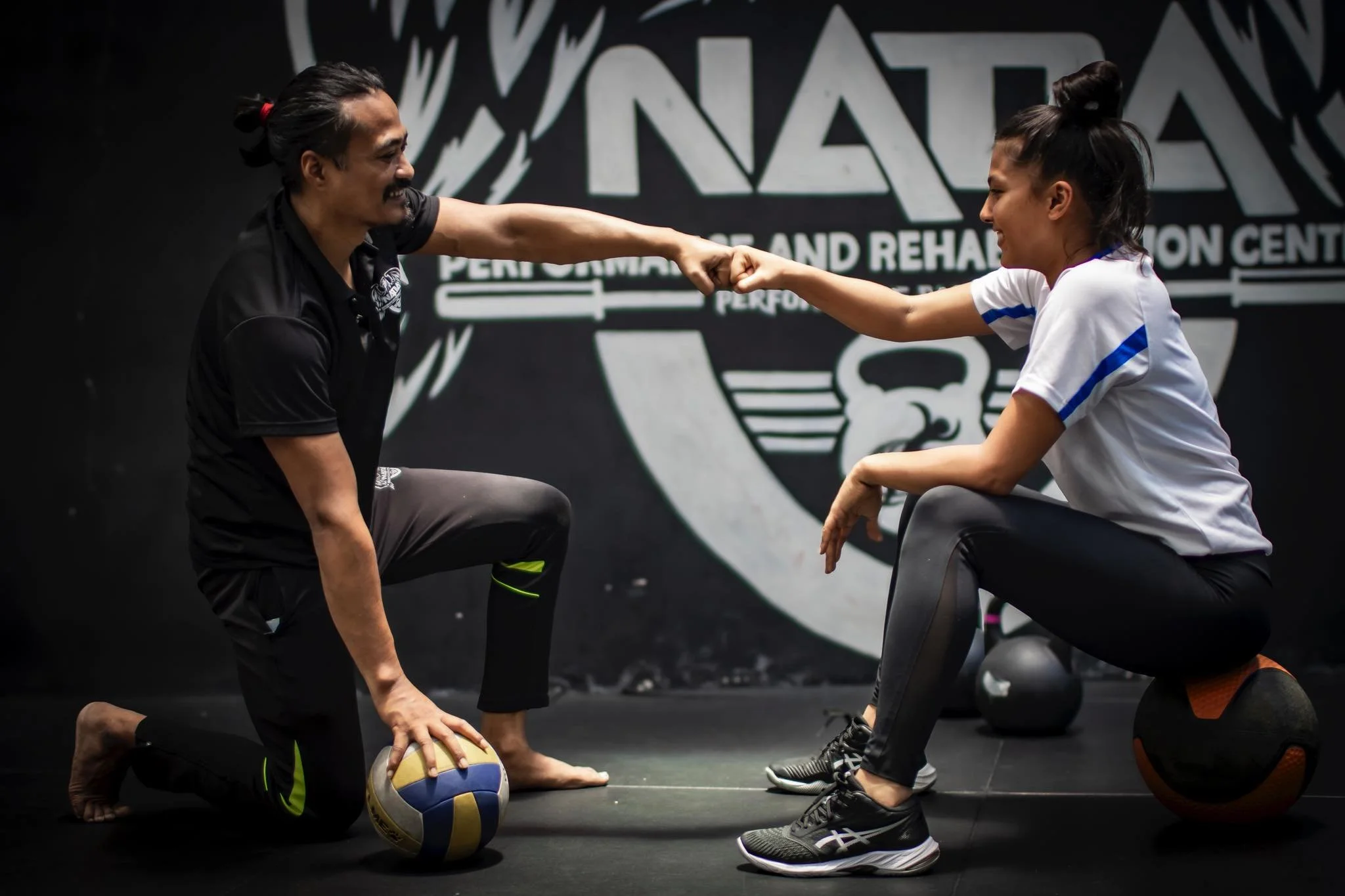
Bivek Adhikari is originally from Dhulikhel, Nepal. He moved to the US in 2008 and eventually studied Physiotherapy and Athletic training. After gaining experience athletic training with OKC Rayo and San Francisco Deltas, he returned back to Nepal and founded National Athletics Development Associates (NADA) in Kathmandu where he is changing the game of athlete performance and the culture of fitness and athletic training.
Please folllow NADA on Facebook on the link below to look at what Bivek is embarking on.
https://www.facebook.com/profile.php?id=100071037138294